
Rethink Culture to Drive Successful Transformations
Rethink Culture to Drive Successful Transformations
December 2025

Read article


November 2025
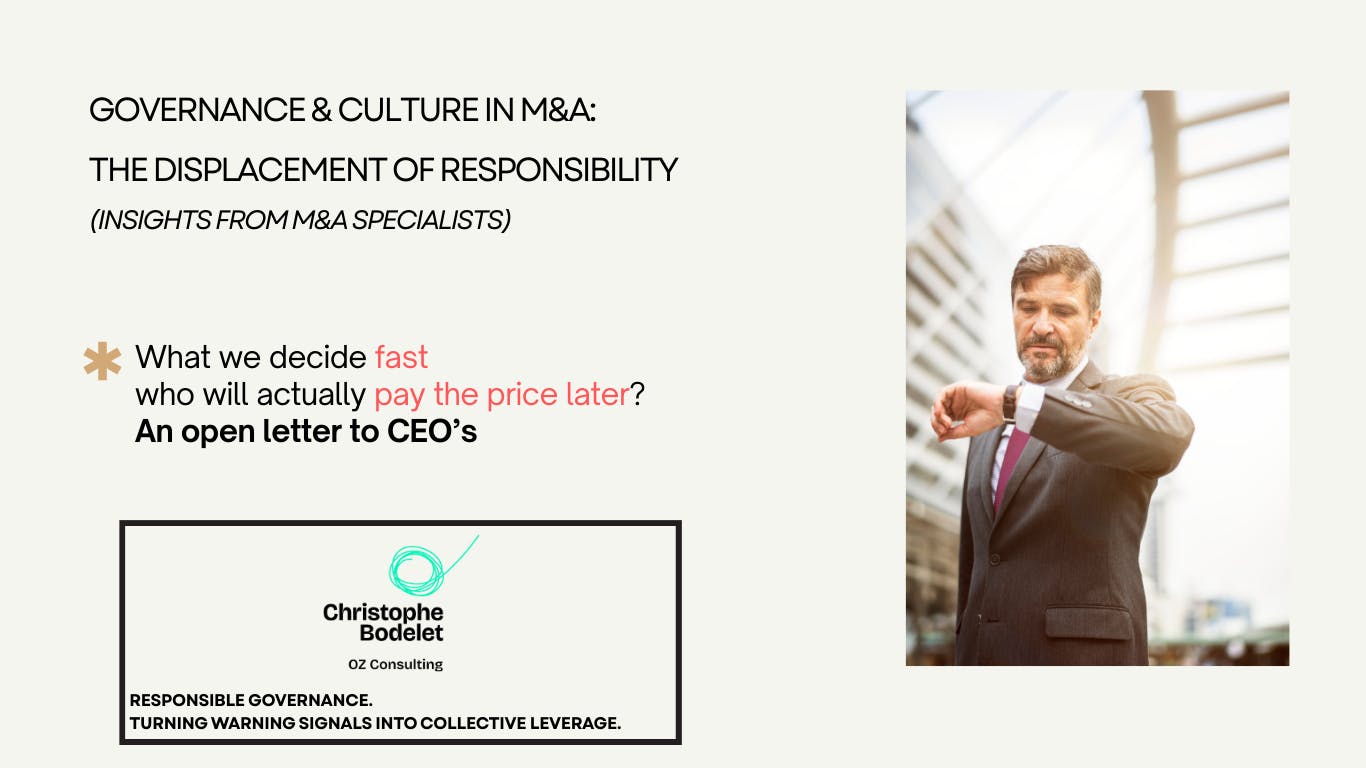
Why does culture remain the blind spot of mergers and acquisitions?
After giving voice to employees, managers, HR leaders, and executives, this article shifts perspective. It explores the cultural dimension of M&A through the eyes of those who structure the deals: M&A specialists. Consultants, bankers, and advisors offer here a lucid — sometimes brutal — view of what is known, yet rarely integrated before signing.
Their feedback was strikingly direct. Almost brutal in its simplicity.
And that is precisely why I choose to address this message at the level where everything is decided: you — CEO, deal sponsor, guardian of value… and ultimately, the person responsible for what will happen to teams after the signature.

If you are reading this, you may be about to make — or approve — an acquisition.
You have numbers, synergies, scenarios, legal risks, a tight timeline, and solid advisors. Everything appears “under control.”
And yet, there is a recurring paradox in M&A transactions:
culture is not a misunderstood topic. It is a consciously sidelined one.
Not because it is secondary, but because it does not fit the dominant logic of the deal.
On the transaction side, the same sentences come up again and again, almost word for word:
It is pragmatic.
It is coherent…
and it is revealing.
At the negotiation table, one essential question is often left implicit — or postponed to “integration”:
Will these organisations (and above all, the people who lead them) actually be able to work together?
Not “in theory.”
Not “on paper.”
In day-to-day reality: decisions, conflicts, power, priorities, behaviours.
Answering this question requires examining dimensions that are rarely explored before signing, such as:
These dimensions are not set aside because they are “fuzzy.”
They are set aside because they are uncomfortable: they challenge certainties, complicate the narrative of control, disrupt the timeline, and introduce variables that cannot easily be forced into a model.
So they are postponed.

What is at play here is not merely a methodological issue.
It is a governance mechanism.
In M&A, responsibilities are often implicitly distributed as follows:
As a result, culture is structurally displaced:
This is not an oversight.
It is a rational transfer of burden:
What will produce effects later — and for which I will not be directly accountable — can be minimised today.
And that is precisely what makes the issue so costly.
M&A mechanics favour what is measurable, comparable, and standardisable.
Legal and financial aspects — these are mastered, and mastered well.
Culture — trust, relationships, informal dynamics, power, unspoken rules — is harder to quantify. So it is pushed “downstream.”
Except that what is postponed does not disappear.
It comes back later in the form of passive resistance, disengagement, latent conflict, talent departures, customer loss, execution breakdowns, and synergies that never materialise.
In other words: what was deferred to gain speed and certainty upstream reappears downstream — with a much higher bill.
I hear this even from clear-eyed deal advisors:
“When we come back to culture, it’s already too late. Teams are exhausted, tensions are embedded, and trust has already taken hits.”

As long as culture remains filed under “post-deal / integration / soft issues,” the system will continue to produce the same outcome:
decide fast — then pay later.
The real leadership question is therefore no longer:
“Does culture matter?”
You already know the answer.
The question is:
When, where, and by whom is culture taken into account — at the moment decisions are made?
And above all:
what human and organisational impacts are you knowingly accepting by signing?
Before signing — not after — force these questions up to the level where the decision is made:

If you are the deal sponsor — or if you have the power to say yes or no — here is the simplest (and most strategic) action you can take:
bring culture back into the decision perimeter, before signing.
Concretely, require these five elements immediately:
Culture does not appear directly in financial models.
But it shapes the real trajectory of an acquisition: speed of execution, trust, retention, decision quality, and the ability to deliver on promises made to the market.
In many deals, cultural failure is neither a mystery nor a surprise.
It is often anticipated… and left outside the perimeter.
Reintegrating these dimensions earlier is not a moral stance.
It is a responsible governance decision.
So if you are about to sign, I will leave you with this simple sentence:

Did you like this article?
Rethink Culture to Drive Successful Transformations
December 2025
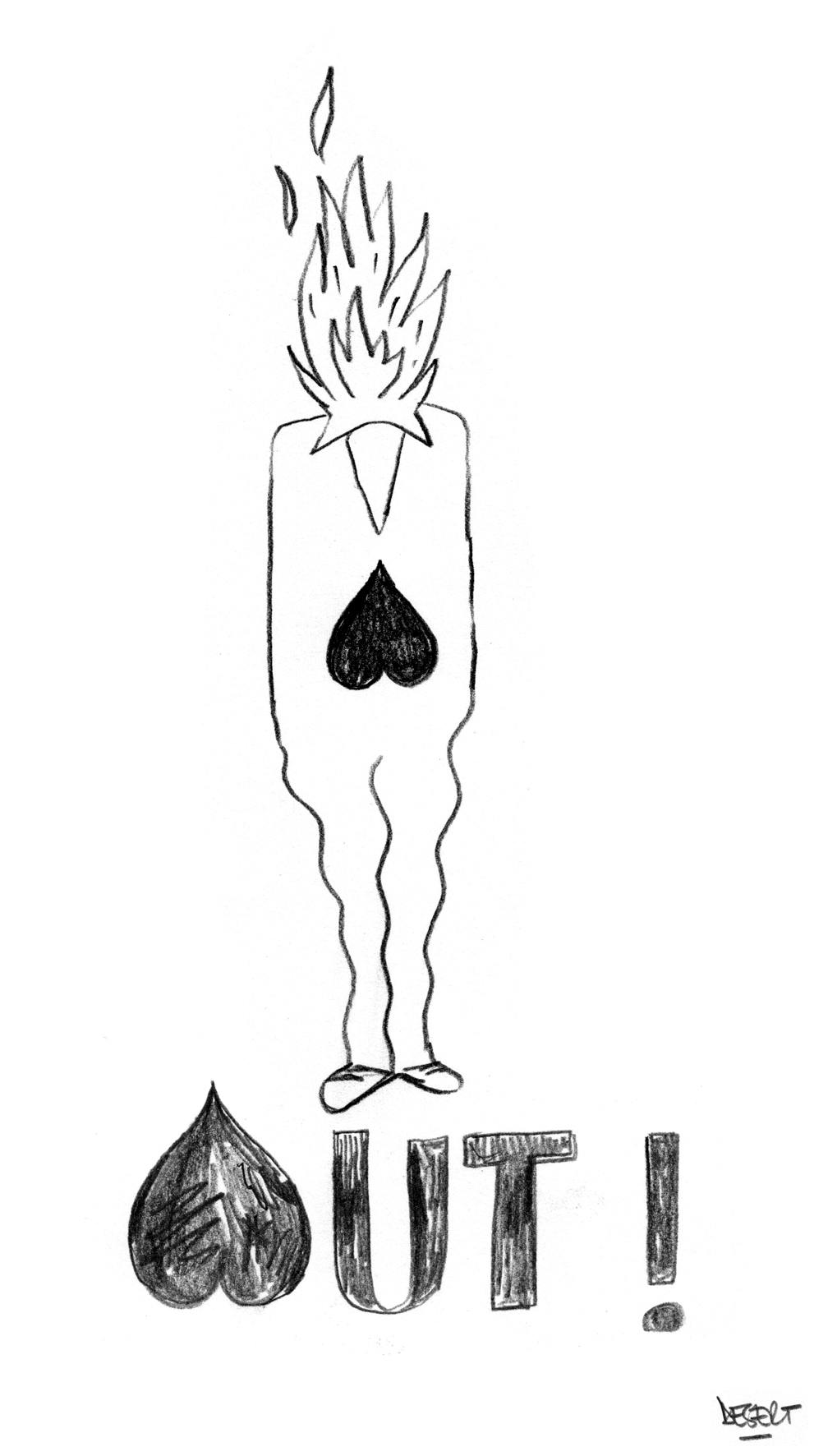
Burnout is rising worldwide. From Gallup to McKinsey, discover what the data — and the lack of it in Luxembourg — really reveals about workplace stress.
May 2025

Beyond the numbers: definition of burnout, symptoms vs. boreout, and lived experiences to spot risks early and avoid collapse.
May 2025